 Call: 011 892 0400
 WhatsApp: 074 058 1919
 Email: info@africaengineering.co.za
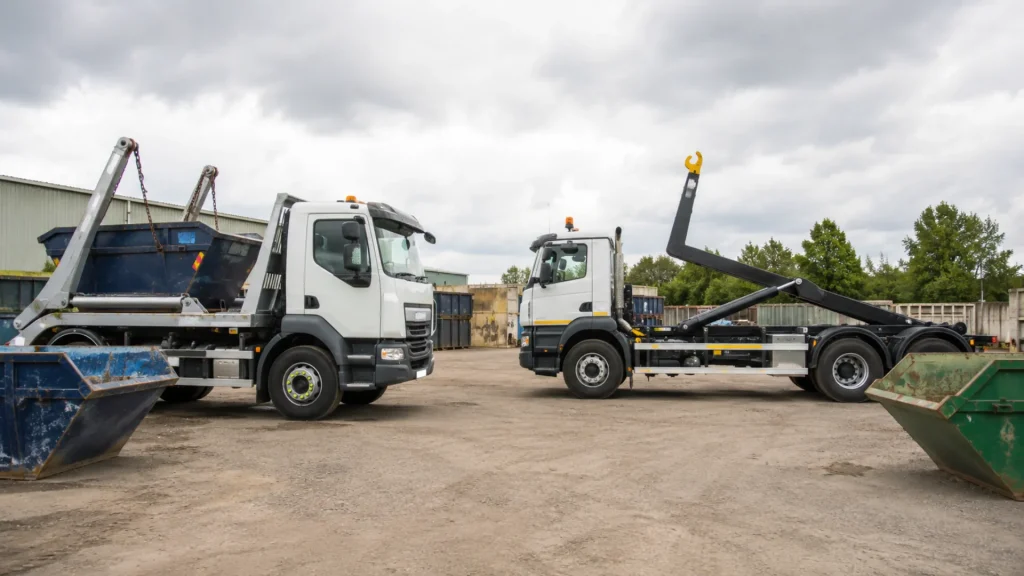
Skip loader vs hook loader is the focus of this practical AEM guide for fleet owners, operators and maintenance managers. The goal is to help you understand the issue, identify risks early and make better equipment decisions before downtime becomes expensive.
Overview: skip loader vs hook loader
When businesses search for skip loader vs hook loader, they usually need clear answers that connect technical symptoms to real operational decisions. Waste equipment, hydraulic systems and specialist vehicles work under demanding conditions. A small leak, worn component or unsuitable vehicle choice can quickly affect productivity, safety and customer service.
This article is written for owners and managers who need practical guidance rather than complicated theory. It explains what to look for, why it matters and when to involve a specialist. For service support, readers can also explore AEM internal service pages such as hydraulic repairs, waste equipment services and refurbished equipment.
How skip loaders work: skip loader vs hook loader
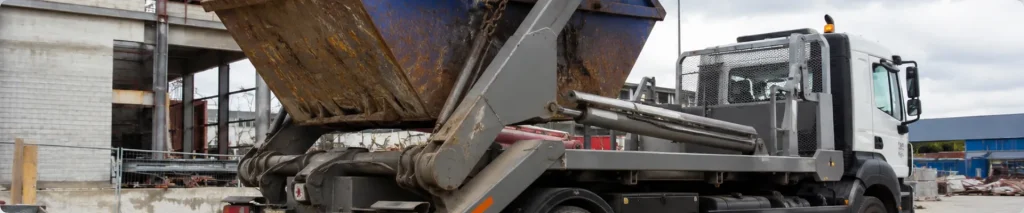
skip loader vs hook loader is an important comparison for waste companies, construction contractors and municipalities choosing a vehicle for container handling. A skip loader typically lifts smaller skips using arms and chains.
Skip loaders are well suited to rubble, garden waste, smaller commercial waste and sites where compact placement matters. They can be efficient when collections are frequent and loads are predictable.
How hook loaders work: skip loader vs hook loader
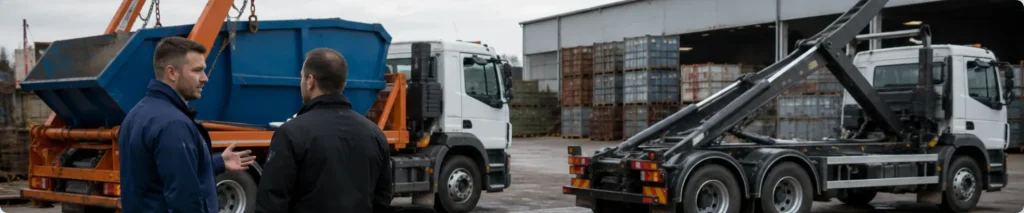
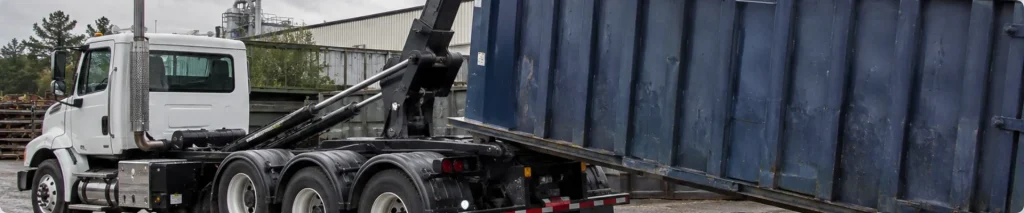
A hook loader uses a hydraulic hook arm to pull a container onto the truck chassis. It is often chosen for larger bins, roll-on-roll-off containers and heavier industrial applications.
The best answer to skip loader vs hook loader depends on container size, payload requirements, site access, route type and the kind of customers your business serves.
Cost, flexibility and fleet utilisation: skip loader vs hook loader
Skip loaders can be practical for smaller jobs and urban routes. Hook loaders usually offer more flexibility across container sizes, but they may require more space to operate and a higher upfront investment.
When comparing options, consider the full operating cost: maintenance, driver training, turnaround time, payload, container availability and expected resale value.
Which option is right for your business?: skip loader vs hook loader
Choose a skip loader for smaller containers, tighter access and frequent short-haul work. Choose a hook loader when you need larger capacity, more container flexibility and heavy-duty waste movement.
AEM can help evaluate your route profile and equipment condition before you buy, refurbish or upgrade.
Helpful resources and next steps for skip loader vs hook loader
For broader industry reading, visit the International Solid Waste Association, review technical maintenance ideas from Hydraulics & Pneumatics maintenance resources, or consult infrastructure information from the South African Department of Water and Sanitation. These are external DoFollow resource links for users who want additional context.
For equipment inspection, repairs or refurbishment support linked to skip loader vs hook loader, contact the AEM team before a minor fault becomes a route-stopping breakdown.
Practical maintenance planning for skip loader vs hook loader
Good maintenance planning turns skip loader vs hook loader from an urgent problem into a controlled decision. Keep a clear record of inspection dates, faults found, parts replaced, operator comments and technician recommendations. Over time, these records show patterns such as repeated hose wear, recurring leaks, slow cycle times or vehicles that need deeper refurbishment.
A simple plan should include daily operator checks, scheduled technical inspections, cleaning, lubrication, hydraulic oil monitoring and a process for reporting small faults early. This helps managers budget for repairs, reduce emergency call-outs and keep equipment available for productive work.