 Call: 011 892 0400
 WhatsApp: 074 058 1919
 Email: info@africaengineering.co.za
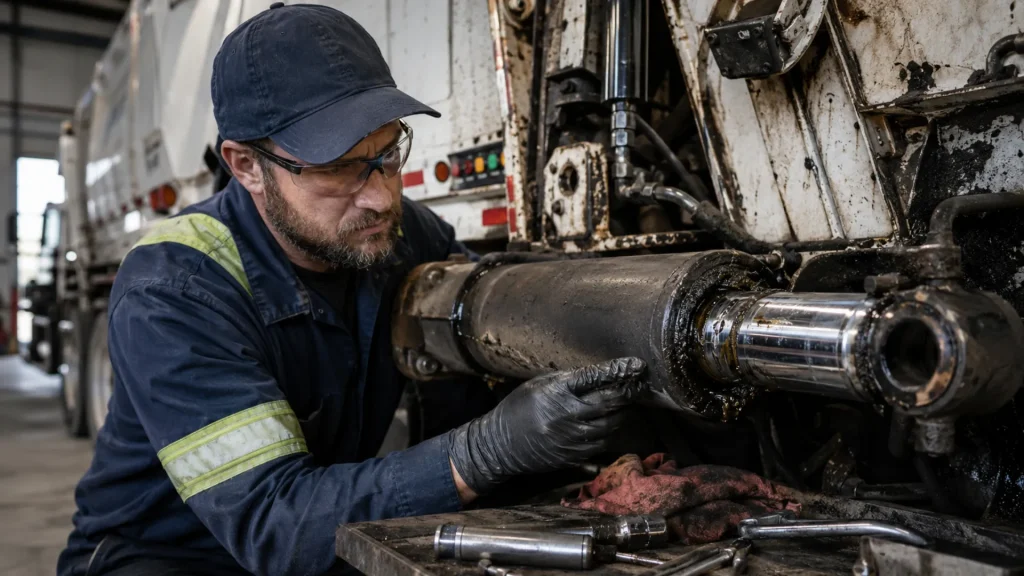
Hydraulic cylinder needs repair is the focus of this practical AEM guide for fleet owners, operators and maintenance managers. The goal is to help you understand the issue, identify risks early and make better equipment decisions before downtime becomes expensive.
Overview: hydraulic cylinder needs repair
When businesses search for hydraulic cylinder needs repair, they usually need clear answers that connect technical symptoms to real operational decisions. Waste equipment, hydraulic systems and specialist vehicles work under demanding conditions. A small leak, worn component or unsuitable vehicle choice can quickly affect productivity, safety and customer service.
This article is written for owners and managers who need practical guidance rather than complicated theory. It explains what to look for, why it matters and when to involve a specialist. For service support, readers can also explore AEM internal service pages such as hydraulic repairs, waste equipment services and refurbished equipment.
What the warning signs look like: hydraulic cylinder needs repair
hydraulic cylinder needs repair is a common search for operators who have noticed slow movement, oil leaks, drifting attachments or reduced lifting power. In waste, construction and municipal fleets, a weak cylinder can quickly affect productivity and safety.
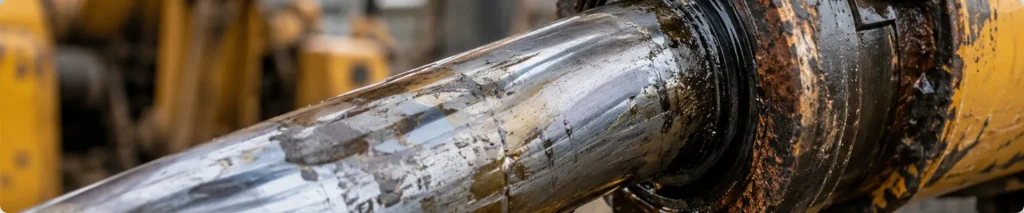
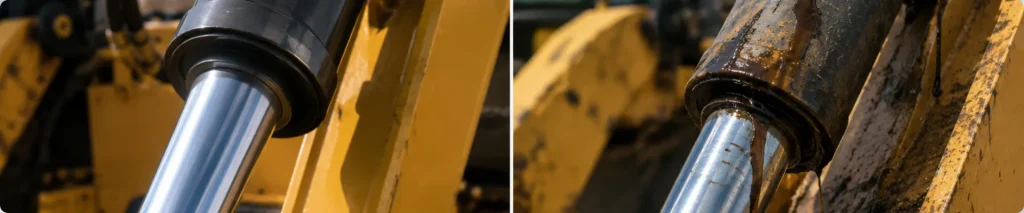
Typical symptoms include visible scoring on the rod, wet oil around the seal gland, uneven extension, jerky operation and a load that will not hold position. These issues can start small, but they usually become more expensive when ignored.
Why fast hydraulic cylinder repair protects your equipment: hydraulic cylinder needs repair
A cylinder is part of a larger hydraulic system. When seals fail, contamination and pressure loss can damage pumps, hoses and valves. Repairing the cylinder early helps protect the full machine and reduces avoidable downtime.
Fleet owners should treat hydraulic cylinder needs repair as a maintenance trigger, not an inconvenience. A professional inspection can confirm whether the unit needs resealing, polishing, honing, rod replacement or a full rebuild.
Practical inspection steps before booking a repair: hydraulic cylinder needs repair
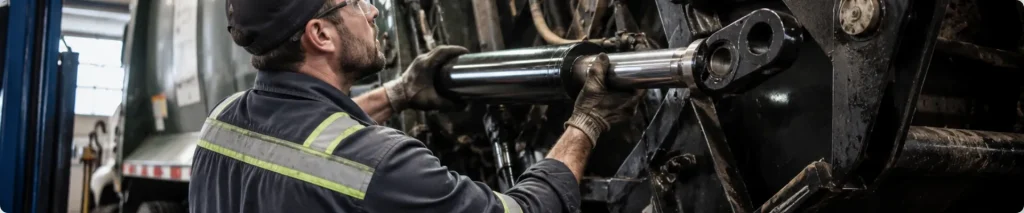
Check the rod for chrome damage, pitting and bends. Inspect mounting pins and bushes for play. Look for oil around the gland, ports and hoses. Record whether the cylinder creeps under load, works slower than normal or makes unusual noises.
Do not keep operating a badly leaking or unstable cylinder. Cleaning and topping up oil may hide the problem for a short time, but it will not restore mechanical condition.
When replacement may be better than repair: hydraulic cylinder needs repair
Repair is often cost-effective, especially when the barrel and rod are still serviceable. Replacement may be better when the cylinder is cracked, severely corroded, repeatedly failing or no longer supported by suitable parts.
AEM can help compare repair cost, turnaround time and machine value so you can make a practical fleet decision.
Helpful resources and next steps for hydraulic cylinder needs repair
For broader industry reading, visit the International Solid Waste Association, review technical maintenance ideas from Hydraulics & Pneumatics maintenance resources, or consult infrastructure information from the South African Department of Water and Sanitation. These are external DoFollow resource links for users who want additional context.
For equipment inspection, repairs or refurbishment support linked to hydraulic cylinder needs repair, contact the AEM team before a minor fault becomes a route-stopping breakdown.
Practical maintenance planning for hydraulic cylinder needs repair
Good maintenance planning turns hydraulic cylinder needs repair from an urgent problem into a controlled decision. Keep a clear record of inspection dates, faults found, parts replaced, operator comments and technician recommendations. Over time, these records show patterns such as repeated hose wear, recurring leaks, slow cycle times or vehicles that need deeper refurbishment.
A simple plan should include daily operator checks, scheduled technical inspections, cleaning, lubrication, hydraulic oil monitoring and a process for reporting small faults early. This helps managers budget for repairs, reduce emergency call-outs and keep equipment available for productive work.