 Call: 011 892 0400
 WhatsApp: 074 058 1919
 Email: info@africaengineering.co.za
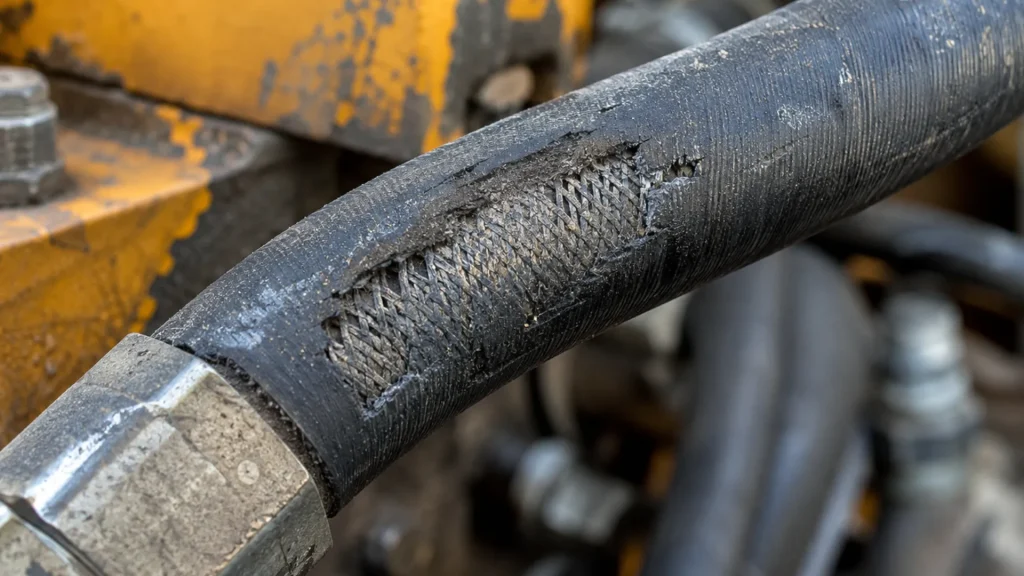
Hydraulic hose failure is the focus of this practical AEM guide for fleet owners, operators and maintenance managers. The goal is to help you understand the issue, identify risks early and make better equipment decisions before downtime becomes expensive.
Overview: hydraulic hose failure
When businesses search for hydraulic hose failure, they usually need clear answers that connect technical symptoms to real operational decisions. Waste equipment, hydraulic systems and specialist vehicles work under demanding conditions. A small leak, worn component or unsuitable vehicle choice can quickly affect productivity, safety and customer service.
This article is written for owners and managers who need practical guidance rather than complicated theory. It explains what to look for, why it matters and when to involve a specialist. For service support, readers can also explore AEM internal service pages such as hydraulic repairs, waste equipment services and refurbished equipment.
Abrasion, heat and incorrect routing: hydraulic hose failure
hydraulic hose failure is one of the most common causes of downtime in hydraulic equipment. Hoses often fail because they rub against metal edges, run too close to heat sources or are bent beyond their recommended radius.
A hose that is twisted, kinked or unsupported is under constant stress. Even a new hose can fail early if installation is poor.
Contamination and pressure spikes: hydraulic hose failure
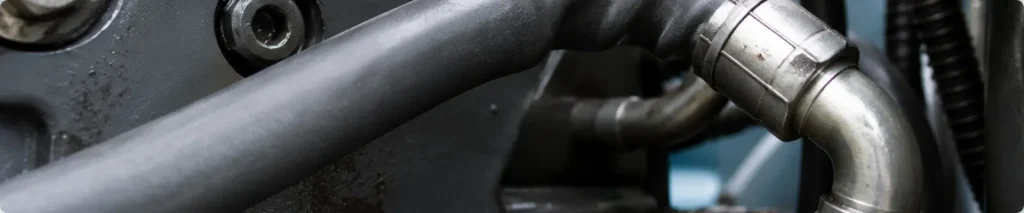
Hydraulic systems operate under high pressure. Contaminated oil, blocked filters, incorrect hose ratings and pressure spikes can weaken hose assemblies and fittings.
Preventing hydraulic hose failure requires the correct hose specification, clean assembly practices and regular pressure checks.
Age, environment and poor inspection habits: hydraulic hose failure
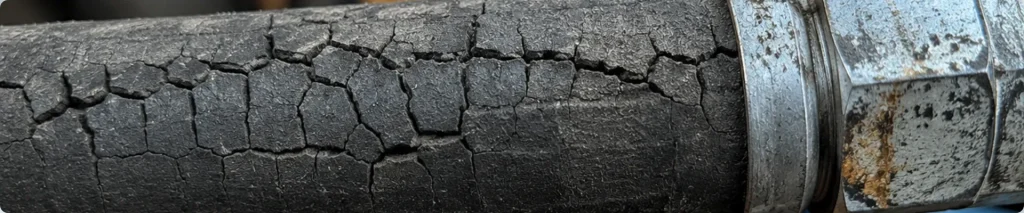
Sun exposure, chemicals, ozone, moisture and physical damage can all shorten hose life. Fleets that only replace hoses after they burst often pay more through downtime and secondary damage.
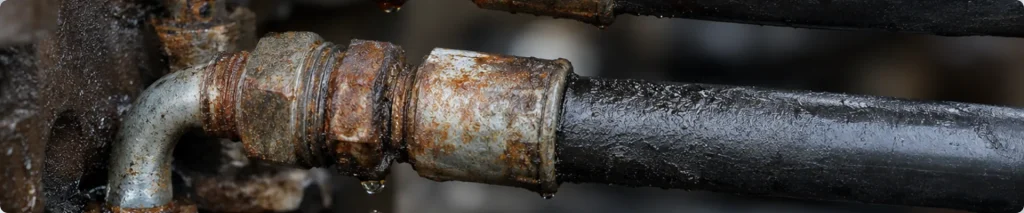
Daily walk-around checks should include abrasion marks, bulges, cracking, wet fittings and loose clamps.
How to reduce hose-related downtime: hydraulic hose failure
Keep hoses correctly routed, protected and clamped. Replace damaged guards, use the correct fittings and record recurring failures so the root cause can be fixed.
AEM can inspect hydraulic hose layouts, replace worn components and help improve preventative maintenance routines.
Helpful resources and next steps for hydraulic hose failure
For broader industry reading, visit the International Solid Waste Association, review technical maintenance ideas from Hydraulics & Pneumatics maintenance resources, or consult infrastructure information from the South African Department of Water and Sanitation. These are external DoFollow resource links for users who want additional context.
For equipment inspection, repairs or refurbishment support linked to hydraulic hose failure, contact the AEM team before a minor fault becomes a route-stopping breakdown.
Practical maintenance planning for hydraulic hose failure
Good maintenance planning turns hydraulic hose failure from an urgent problem into a controlled decision. Keep a clear record of inspection dates, faults found, parts replaced, operator comments and technician recommendations. Over time, these records show patterns such as repeated hose wear, recurring leaks, slow cycle times or vehicles that need deeper refurbishment.
A simple plan should include daily operator checks, scheduled technical inspections, cleaning, lubrication, hydraulic oil monitoring and a process for reporting small faults early. This helps managers budget for repairs, reduce emergency call-outs and keep equipment available for productive work.