 Call: 011 892 0400
 WhatsApp: 074 058 1919
 Email: info@africaengineering.co.za
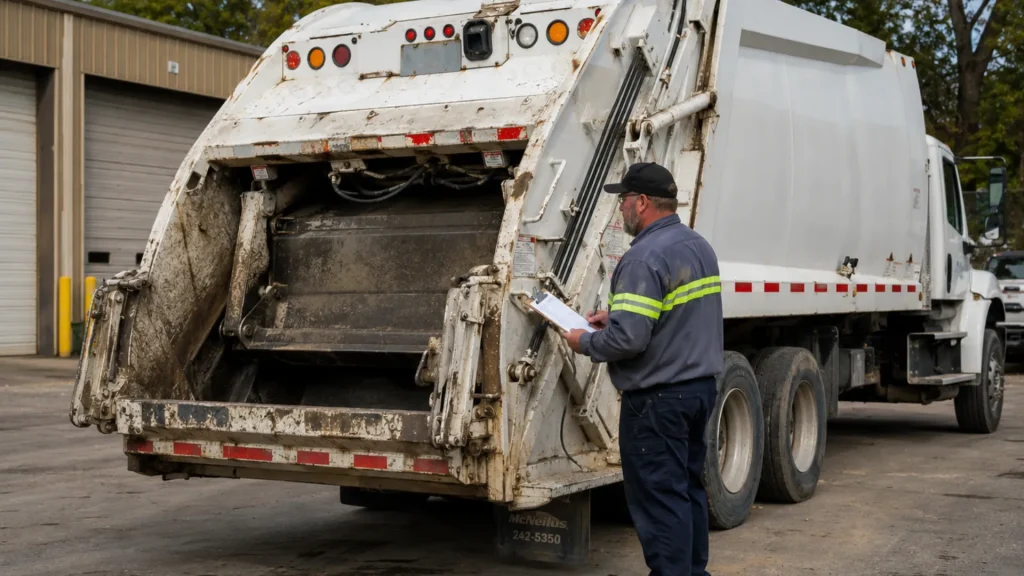
Second-hand refuse truck is the focus of this practical AEM guide for fleet owners, operators and maintenance managers. The goal is to help you understand the issue, identify risks early and make better equipment decisions before downtime becomes expensive.
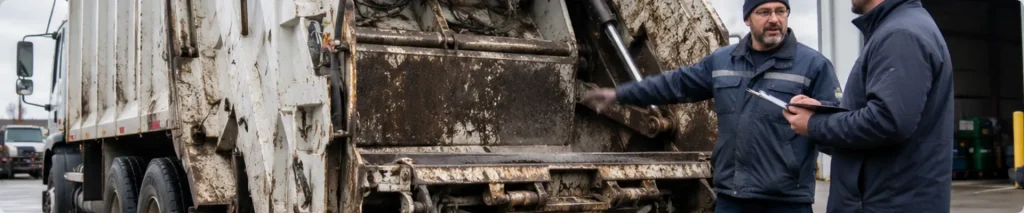
Overview: second-hand refuse truck
When businesses search for second-hand refuse truck, they usually need clear answers that connect technical symptoms to real operational decisions. Waste equipment, hydraulic systems and specialist vehicles work under demanding conditions. A small leak, worn component or unsuitable vehicle choice can quickly affect productivity, safety and customer service.
This article is written for owners and managers who need practical guidance rather than complicated theory. It explains what to look for, why it matters and when to involve a specialist. For service support, readers can also explore AEM internal service pages such as hydraulic repairs, waste equipment services and refurbished equipment.
Start with body, chassis and service history: second-hand refuse truck
A second-hand refuse truck can be a cost-effective fleet addition, but only when it is checked properly. Start with the chassis, compactor body, tailgate, bin lifter and service records.
Look for corrosion, cracks, poor welding repairs, accident damage and signs of overload. A truck that looks clean may still have hidden hydraulic or structural issues.
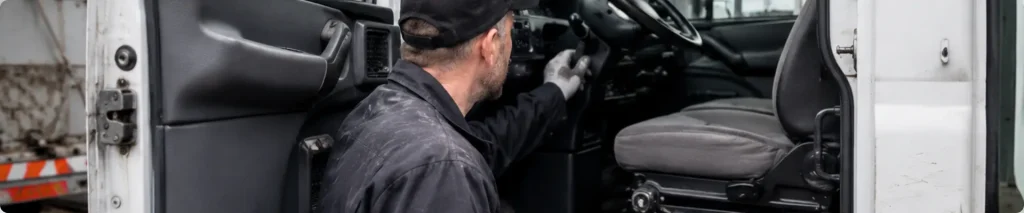
Hydraulic and compactor system checks: second-hand refuse truck
Run the compactor through a full operating cycle. Check blade movement, tailgate sealing, bin lifter operation, ejector plate function, oil leaks and hydraulic temperature.
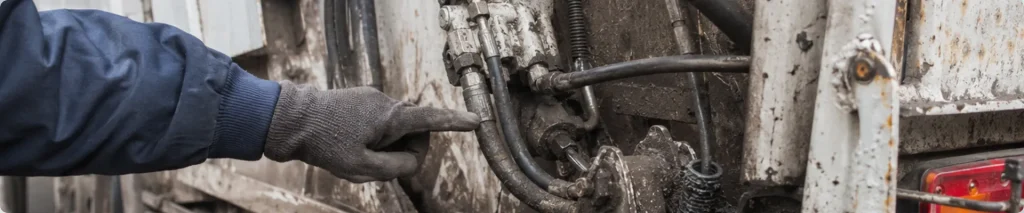
Before buying a second-hand refuse truck, confirm that the hydraulic system can build and hold pressure. Slow movement, noise and jerky operation can point to costly repairs.
Compliance, safety and route suitability: second-hand refuse truck
Check brakes, tyres, lights, warning systems, reverse alarms, mirrors and emergency stops. Confirm payload, body capacity and whether the truck suits your routes and disposal sites.
Also consider driver familiarity, parts availability and whether the truck can be serviced locally.
Why a pre-purchase inspection is worthwhile: second-hand refuse truck
A professional inspection can identify risks before you negotiate or pay. It may also help you estimate refurbishment cost and decide whether the vehicle still offers value.
AEM can support buyers with hydraulic checks, repairs, refurbishment and practical advice on used waste equipment.
Helpful resources and next steps for second-hand refuse truck
For broader industry reading, visit the International Solid Waste Association, review technical maintenance ideas from Hydraulics & Pneumatics maintenance resources, or consult infrastructure information from the South African Department of Water and Sanitation. These are external DoFollow resource links for users who want additional context.
For equipment inspection, repairs or refurbishment support linked to second-hand refuse truck, contact the AEM team before a minor fault becomes a route-stopping breakdown.
Practical maintenance planning for second-hand refuse truck
Good maintenance planning turns second-hand refuse truck from an urgent problem into a controlled decision. Keep a clear record of inspection dates, faults found, parts replaced, operator comments and technician recommendations. Over time, these records show patterns such as repeated hose wear, recurring leaks, slow cycle times or vehicles that need deeper refurbishment.
A simple plan should include daily operator checks, scheduled technical inspections, cleaning, lubrication, hydraulic oil monitoring and a process for reporting small faults early. This helps managers budget for repairs, reduce emergency call-outs and keep equipment available for productive work.